When fall rolls around, middle school teachers are always on the lookout for engaging, standards-based activities that fit the season. One timeless classic that’s perfect for October is The Legend of Sleepy Hollow by Washington Irving. This spooky short story captures students’ attention with its mystery and suspense, while also offering plenty of academic value.
In this post, I’ll share why The Legend of Sleepy Hollow is an excellent choice for middle school ELA classrooms—and how you can use my ready-to-go Sleepy Hollow resource to make it easy and engaging.
.
Seasonal Engagement Your Students Will Love
Middle school students thrive when literature feels relevant and fun. The eerie setting of Sleepy Hollow, the Headless Horseman legend, and the spooky Halloween tie-in make this story a natural fit for fall lessons. Instead of fighting for student engagement, you’ll have their attention from page one.
Build Background in Classic American Literature
Washington Irving is often called the “Father of American Literature,” and introducing his work helps students see the roots of American storytelling. Characters like Ichabod Crane and the Headless Horseman appear in pop culture again and again—so this story builds cultural literacy your students will carry with them.
Teaching Sleepy Hollow also introduces students to one of the earliest American short stories, helping them understand how literature developed in the United States.
Target Key ELA Standards
The Legend of Sleepy Hollow isn’t just a fun seasonal read—it’s also packed with opportunities to hit standards and develop critical skills.
Character analysis: Ichabod, Brom Bones, and Katrina offer plenty of traits, motivations, and conflicts to explore.
Theme development: superstition vs. logic, reality vs. imagination, fear vs. truth.
Figurative language: rich imagery, similes, and metaphors make excellent mentor texts.
Plot structure and suspense: students can analyze how Irving builds tension and leaves readers questioning what really happened.
Connect Text to Film and Drama
Students love comparing literature across different mediums. After reading the adapted short story, you can:
Act out scenes using a play script version for fluency and performance practice.
Watch a movie adaptation (Disney or Tim Burton are popular choices) and compare it with the text.
Discuss how directors create suspense differently from authors.
This cross-media approach keeps students engaged while reinforcing comprehension and analysis.
How I Teach The Legend of Sleepy Hollow
I start by building interest around legends—students share ghost stories or urban legends they’ve heard, which gets them hooked right away. Then we read a student-friendly adapted version of The Legend of Sleepy Hollow that preserves Washington Irving’s spooky atmosphere but is accessible for grades 5–8.
After reading, we watch the Disney adaptation from The Adventures of Ichabod and Mr. Toad (1949) narrated by Bing Crosby. This short film is a hit every year! Students love the animation, music, and humor, and it gives them a second way to visualize the story.
We pause the movie to discuss character traits, predict what might happen next, and connect scenes back to the text. Afterward, students complete a story vs. movie Venn diagram comparing Irving’s version with Disney’s, which leads to rich discussions about tone, characterization, and author’s purpose.
From there, we dive deeper into characterization, figurative language, and plot structure. Finally, students choose a creative writing or project option—from designing a Missing Poster for Ichabod Crane to writing their own alternate ending. These activities keep engagement high while reinforcing key comprehension skills.
Encourage Critical Thinking and Creativity
The mystery of Ichabod Crane’s disappearance sparks rich classroom discussion. Was it Brom Bones? Was it truly the Headless Horseman? Or was it all in Ichabod’s imagination? Students get to weigh evidence, debate multiple perspectives, and form their own conclusions.
You can also extend learning with creative projects:
Design a Missing Person poster for Ichabod Crane.
Create Instagram-style character posts.
Write an alternate ending or modern retelling of the story.
These projects help students connect personally with the text while practicing higher-level thinking.
Differentiate for All Learners
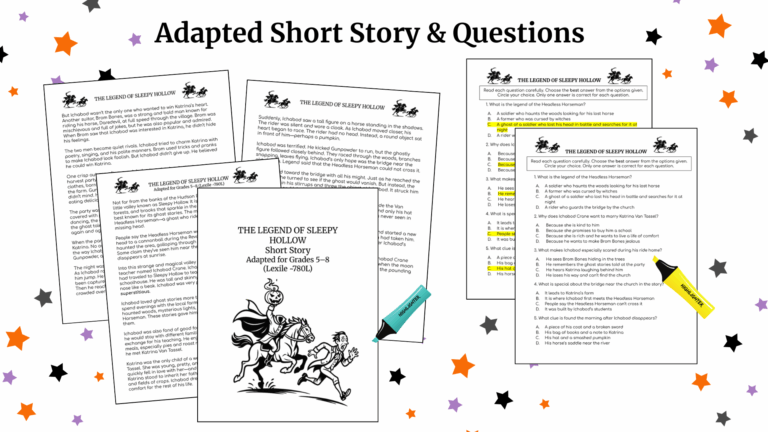
Not every middle school student is ready to tackle Irving’s original language. That’s why my Legend of Sleepy Hollow Resource includes an adapted version of the short story, comprehension questions, and scaffolds so struggling readers can succeed.
The variety of activities—short answer, choice boards, posters, and writing tasks—also ensures every student can access the material in a way that works for them.
👉 Click here to check out my Legend of Sleepy Hollow Story, Play, & Movie Activities on TPT.
Final Thoughts
Teaching The Legend of Sleepy Hollow in middle school is the perfect blend of fun and rigor. Students get hooked by the spooky story, but they also walk away with deeper comprehension, literary analysis skills, and cultural knowledge.
If you want to save time and give your students a memorable fall literature unit, my Sleepy Hollow resource has everything you need—adapted story, play script, movie activities, figurative language practice, and creative projects.
🍂 Bring the Headless Horseman into your classroom this fall, and watch your students light up with excitement for literature!
The Complete Legend of Sleepy Hollow Resource Bundle
To make your planning simple, I created a 32-page resource bundle with everything you need for a complete short story unit.
What’s Included:
✅ Adapted Short Story – A student-friendly version perfect for diverse readers.
✅ Comprehension Questions – Assess key events, characters, and themes.
✅ Frayer Model Activities – Teach the concepts of legend and superstition.
✅ Common Superstitions Worksheet – Connects text to real-world beliefs.
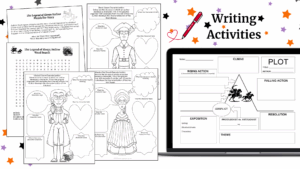
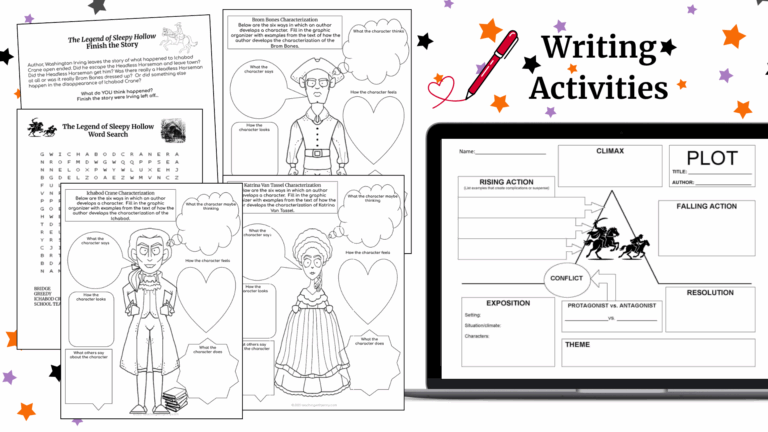
✅ Characterization Charts – For Ichabod, Brom, and Katrina.
✅ Venn Diagrams – Compare Ichabod vs. Brom and text vs. movie.
✅ Plot Structure Diagram – Teach exposition, climax, and resolution.
✅ Figurative Language Practice – Identify similes, metaphors, and imagery.
✅ Choice Board & Extended Writing Activity – Students create their own ending.
✅ Instagram Templates & Poster Projects – Add a modern, visual twist.
✅ Exit Ticket & Word Search – Perfect for quick checks and early finishers.
Why Teachers Love This Resource
No-Prep & Time-Saving – Just print or assign digitally in Google Classroom.
Differentiated – Perfect for struggling readers and advanced learners.
Engaging & Creative – Students interact with the story in multiple ways.